
Future of Artificial Intelligence in Business
Priya Sharma
Author
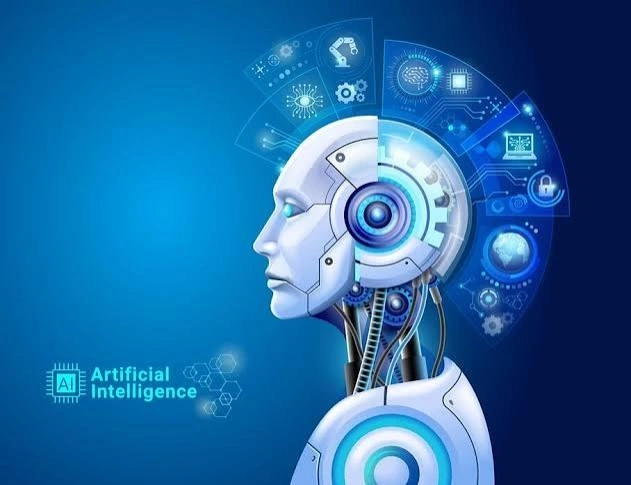
Artificial Intelligence (AI) has become one of the most transformative technologies of the 21st century. Organizations across industries are integrating AI into their daily operations to improve efficiency, reduce operational costs, and deliver exceptional customer experiences. From small startups to multinational enterprises, AI is changing the way businesses operate and compete.
What is Artificial Intelligence?
Artificial Intelligence refers to computer systems that can perform tasks requiring human intelligence. These tasks include learning from data, recognizing patterns, understanding language, making predictions, and solving complex problems.
Businesses use AI to automate workflows, analyze massive amounts of information, and make data-driven decisions faster than ever before.
Benefits of AI in Business
1. Increased Productivity
AI automates repetitive and time-consuming tasks, allowing employees to focus on strategic and creative work. Automation reduces manual effort and increases overall workplace productivity.
2. Better Decision Making
AI systems analyze large datasets within seconds and generate valuable insights. Business leaders can make informed decisions based on accurate predictions and real-time analytics.
3. Improved Customer Experience
AI-powered chatbots and virtual assistants provide instant customer support, answer frequently asked questions, and offer personalized recommendations, improving customer satisfaction.
4. Cost Reduction
Automation minimizes human errors and reduces operational costs. Businesses can optimize resources and increase profitability through intelligent process automation.
5. Enhanced Security
AI helps detect unusual activities, monitor cybersecurity threats, and identify fraudulent transactions before they become serious problems.
Industries Using AI
Artificial Intelligence is transforming multiple industries, including:
Healthcare
Banking and Finance
Manufacturing
Retail and E-commerce
Education
Logistics
Information Technology
Agriculture
Each industry leverages AI differently to improve operational efficiency and customer engagement.
Challenges of AI Adoption
Although AI offers numerous benefits, businesses also face several challenges:
High implementation costs
Data privacy concerns
Shortage of AI professionals
Ethical considerations
Continuous system maintenance
Organizations should carefully plan their AI adoption strategy while ensuring compliance with security and privacy standards.
Future of AI
The future of Artificial Intelligence looks extremely promising. Emerging technologies such as Generative AI, Predictive Analytics, Computer Vision, and Intelligent Automation will continue transforming business operations.
Companies that adopt AI today will be better positioned to innovate, improve efficiency, and gain a competitive advantage in tomorrow's digital economy.
Conclusion
Artificial Intelligence is no longer a futuristic concept—it is a practical business tool that drives innovation and growth. Organizations embracing AI can streamline operations, improve customer experiences, and make smarter business decisions. As technology continues to evolve, AI will remain a key driver of digital transformation across industries.
Frequently Asked Questions
Explore Other Blogs
Custom Documents Module in Odoo: Centralize Business Documents with Organized Folder Management
Oct 10, 2026
Auto Recurring Billing in Odoo: Simplify Property Billing, Due Dates, and Fine Management
Oct 10, 2026

Electricity Subscription Billing in Odoo: Automate Recurring Electricity Billing and Usage Management
Oct 10, 2026

Electric Bill Management Dashboard: Simplify Electricity Billing and Meter Reading Management
Oct 10, 2026
WhatsApp Chatwoot Integration in Odoo: Centralize Customer Conversations
Oct 10, 2026